00
Days
00
Hours
00
Minutes
00
Seconds
.png)
In today's competitive sales landscape, mastering LinkedIn lead tracking is essential for success. Effective lead management hinges on using precise timelines and timely status updates, empowering sales teams to efficiently nurture their prospects. By leveraging innovative sales automation tools, businesses can significantly enhance their prospecting solutions, ultimately driving higher conversion rates and fostering long-lasting relationships.
Lead tracking is a systematic approach to monitor potential customers through their journey in the sales funnels. This process begins at the awareness stage and extends through the decision-making phase. Understanding lead tracking basics involves recognizing the importance of capturing key touchpoints that influence a prospect’s decision.
Customer journey tracking plays a crucial role in understanding B2B leads. Each interaction gives valuable insights into a prospect's interests and needs. Documenting these interactions not only clarifies the sales process but also ensures a personalized approach. Sales professionals can use this data to tailor their strategies effectively.
The effective use of tracking tools helps in analyzing this data, transforming leads into loyal clients. By integrating these practices, businesses can enhance their lead conversion rates. Maintaining detailed records and insights ensures that no opportunity for engagement is missed.
.png)
Timelines play a critical role in lead tracking by acting as a roadmap for all interactions with potential clients. With clear lead tracking timelines, sales teams can gain context on communication history, leading to enhanced tracking effectiveness. By maintaining a structured timeline, teams stay informed on the latest updates and reminders, ensuring timely follow-ups that boost sales engagement.
Understanding the importance of timelines enables smoother interactions throughout the sales process. Sales professionals can easily identify when a lead was last contacted and what the next steps should be. This proactive approach not only fosters positive relationships but also significantly increases conversion rates. Implementing efficient lead tracking timelines allows teams to manage their leads with precision and purpose.
Effective lead tracking tools incorporate vital features designed to enhance the efficiency of managing prospects. These essential features can streamline your sales process and improve overall outcomes.
By focusing on these features, businesses can optimize their usage of lead tracking tools to drive better results and manage data more effectively.
Businesses increasingly recognize LinkedIn as a vital platform for lead generation. Through effective networking for leads, professionals cultivate relationships that can convert into significant business opportunities. Leveraging both organic and paid methods enhances your outreach and engagement.
Creating a standout profile is crucial in increasing visibility. Engage actively in relevant industry groups to forge connections and share valuable insights. Regularly posting quality content attracts attention—these actions form the backbone of successful LinkedIn engagement strategies.
LinkedIn automation allows for streamlined lead tracking processes. By automating repetitive tasks, teams can focus on personalized interactions, ensuring no opportunity slips through the cracks. Effective use of automation tools enhances productivity, paving the way for sustained LinkedIn lead generation success.
.png)
Regular lead status updates play a crucial role in maintaining momentum throughout the sales process. Implementing effective communication strategies can significantly enhance your customer interactions. Following tracking best practices serves as a foundation for building strong relationships with prospects.
In the evolving landscape of B2B sales, harnessing the right tools can significantly enhance your effectiveness. WaLead emerges as a powerful solution tailored for automated prospecting, combining artificial intelligence with key functionalities designed to streamline LinkedIn outreach.
WaLead features offer a robust suite of capabilities that set it apart in the realm of LinkedIn automation software. Key attributes include:
Employing WaLead in your prospecting efforts brings numerous advantages. By leveraging its sophisticated features, sales professionals can expect:
.png)
Effective lead status management is vital for sales teams seeking to optimize lead tracking and enhance overall productivity. Implementing proven efficiency techniques can streamline the process and drive more valuable interactions. Key methods include:
By adopting these techniques, businesses can significantly improve lead status management. Streamlined processes contribute to more effective communication, leading to higher conversion rates and fostering trust between sales teams and potential clients.
Effective client interaction strategies hinge on the successful integration of timelines that chronicle every engagement with potential clients. This timeline integration solidifies the foundation of communication effectiveness by ensuring that all team members are aligned on the client's journey.
By documenting interactions in a structured manner, you create a comprehensive view of client behavior and preferences. This transparency boosts coordination among sales teams, fostering an environment of collaboration that simplifies communication. Teams can promptly respond to inquiries or concerns, enhancing the overall client experience.
Incorporating timeline features into client interactions not only streamlines workflow but also significantly improves the accuracy of outreach efforts. You can ensure that each touchpoint is informed by past conversations and actions, eliminating confusion and enhancing the professional rapport.
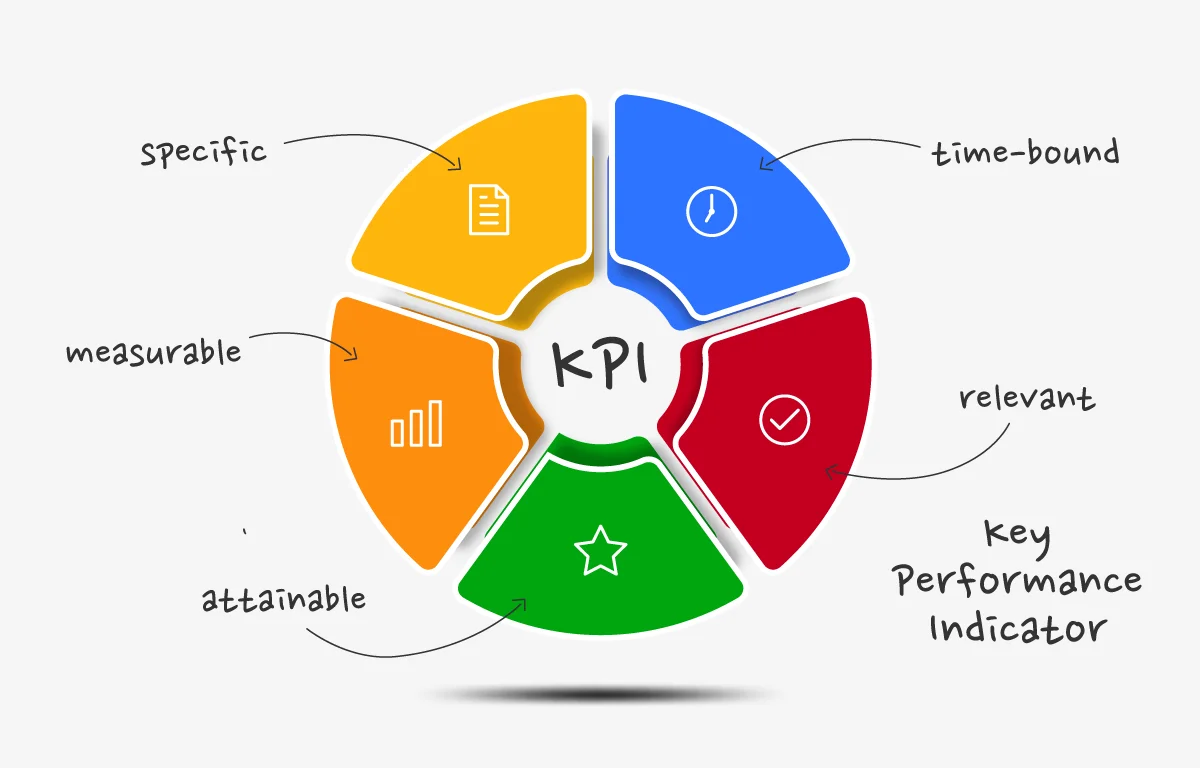
Success in lead tracking hinges on effectively measuring lead tracking success through well-defined metrics. Identifying the right Key Performance Indicators (KPIs for tracking) enables teams to gain insight into the efficiency of their sales processes. By analyzing these KPIs, businesses can pinpoint areas that require enhancement and fine-tune their approaches for optimal results.
Three crucial KPIs for assessing lead tracking success include:
By regularly conducting performance assessments based on these metrics, organizations can elevate their lead tracking efforts significantly. This iterative process not only solidifies current practices but also empowers teams to adopt innovative methods that drive greater success.
Addressing lead tracking challenges can significantly enhance your prospecting efforts. Data overload often serves as one of the most common pitfalls, hindering teams from efficiently accessing pertinent information. To manage this, implementing structured workflows is essential. This approach streamlines processes and helps eliminate confusion among team members.
Lack of communication between departments can also create significant hurdles. Ensure your teams are aligned, working collaboratively toward shared objectives. Regular training sessions can be beneficial in overcoming these obstacles, equipping your sales personnel with the knowledge to use lead tracking tools effectively.
Inconsistent follow-ups represent yet another challenge that can derail lead tracking success. Solutions for tracking must integrate consistent follow-up protocols to keep leads engaged. Utilizing specialized tracking software transforms data management processes, allowing for organized record-keeping and timely responses.
Efficient solutions for tracking are vital to minimize these common pitfalls. By optimizing your lead tracking processes, you not only enhance productivity but also improve the overall success of your sales strategies.
In 2025, businesses can leverage a range of tools designed for effective lead tracking. These tools offer innovative sales solutions facilitating the management of leads throughout their lifecycle. Adopting the right solutions can significantly enhance team productivity and tracking accuracy.
Utilizing the best lead management software in your strategy creates a solid foundation for scaling your sales efforts. Each of these tools uniquely contributes to enhancing lead visibility and nurturing, which is crucial in today’s competitive market.
To enhance engagement strategies, providing timely updates is essential. This approach fosters a stronger connection with your leads. Implementing a structured communication frequency creates an environment where prospects feel valued and informed.
Consider setting a communication schedule that includes regular outreach. This can involve reaching out with tailored updates relevant to your client’s specific interests. Each interaction should deliver value, offering insights or solutions that address challenges the prospect may face.
Listening to client feedback allows for adaptation in strategy. By being responsive to their needs, you can create more engaging conversations and build trust over time. Each update gives you an opportunity to strengthen relationships and enhance your brand’s credibility.
Integrating automated communication into your outreach strategy not only improves efficiency but also lays the foundation for meaningful relationship building. To successfully balance automation with personalization, consider the following best practices:
Applying these strategies helps you scale outreach efforts while preserving a human touch at every stage of the sales journey, resulting in stronger engagement and more durable relationships.
.png)
Establishing strong connections with potential clients is essential for converting leads into long-lasting partnerships. Effective client relationship building relies on understanding the needs and preferences of your prospects.
Engagement plays a crucial role. Actively participating in discussions on platforms like LinkedIn can foster rapport. Respond to comments and send direct messages to show that you value their input and are genuinely interested in their challenges. Such trust-based sales practices can create a solid foundation for future transactions.
Another strategy involves sharing relevant content. Providing valuable insights demonstrates your knowledge and positions you as a thought leader in your industry. This practice nurtures leads by keeping your audience informed and engaged.
Purposeful follow-ups can make a significant difference in client communication. Rather than sending generic check-ins, include insights or updates tailored to their interests. This personalized approach can enhance your relationship and lead to higher conversion rates.
As we look towards the future of lead tracking, the role of LinkedIn will only become more pivotal. LinkedIn trends in 2026 indicate a shift towards leveraging advanced AI capabilities. These sophisticated algorithms will predict lead behavior more accurately, enabling tailored outreach strategies that resonate. Companies that harness these technologies will find a competitive edge in their prospecting efforts.
Moreover, the increased use of video content in outreach is set to redefine personal connections. By combining video with traditional messaging, businesses will enhance engagement and trust. This shift towards richer, more personable interactions aligns perfectly with evolving consumer expectations, ultimately driving better results in lead conversion.
Furthermore, the integration of social selling techniques with established sales processes emerges as a crucial element of advanced prospecting strategies. Combining these approaches allows sales professionals to effectively engage clients at multiple touchpoints, leading to more meaningful relationships and heightened success in managing leads on LinkedIn. Embracing these trends will be essential for those looking to stay ahead in the changing landscape of lead tracking.
.png)
.png)
Lead tracking is the systematic process of monitoring potential customers as they move through the sales funnel—from awareness to decision-making. It's vital as it allows sales professionals to tailor their approach based on specific needs, ultimately enhancing conversion rates and customer relationships.
To effectively track leads on LinkedIn, utilize tools like LinkedIn Sales Navigator and specialized software for lead management. Document interactions, set reminders for follow-ups, and analyze engagement metrics to continuously improve your outreach strategies.
Effective lead tracking software should include features like automated follow-ups, analytics dashboards, CRM integration, and customization options. These tools help streamline the management of prospects and enhance communication.
WaLead enhances your LinkedIn prospecting by leveraging AI for personalized messaging, ensuring secure algorithm management to protect your accounts, and offering comprehensive campaign management for flexible prospect tracking.

LinkedIn is the world’s largest professional platform, used for networking, recruiting, sharing...

How to build effective LinkedIn outreach sequences that boost replies and drive more qualified leads

Import leads from CSV or Sheets into WaLead and run scalable, automated LinkedIn outreach campaigns.
.png)
.png)
.png)

.png)